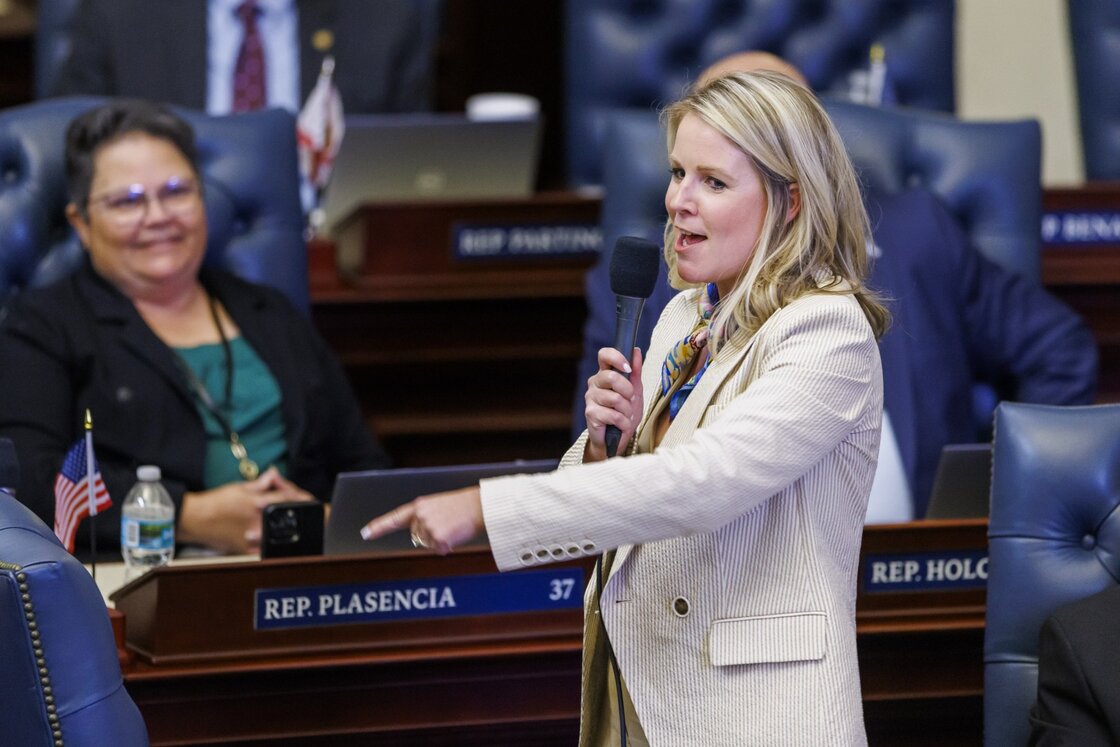
On Tuesday, the Florida House passed a sweeping anti-foreign-interference bill — and quietly tucked surrogacy into it. The Foreign Interference Restriction and Enforcement Act, better known as the FIRE Act (HB 905), passed 86–20 along mostly party lines. Among its provisions: a ban on surrogacy contracts if any party to the contract is a citizen or resident of a foreign country of concern.
In plain English: if your intended parents hold citizenship in China, Russia, Iran, North Korea, Cuba, Venezuela, or Syria — or if they live in one of those countries — a surrogacy arrangement in Florida would be illegal under this bill. The bill now heads to the Florida Senate.
What Exactly Was Added
The surrogacy amendment wasn't part of the original FIRE Act. It was added on the House floor — no committee hearing, no input from adoption attorneys or surrogacy lawyers. That last-minute move is exactly what has critics worried.
Florida Democratic lawmakers pushed back, arguing the amendment could have unintended consequences for American families adopting internationally or for legal residents who happen to hold dual citizenship. But bill sponsor Rep. Jenna Persons-Mulicka (R-Fort Myers) said the measure wouldn't affect anyone who is a U.S. citizen or lawfully present in Florida.
"It's time to act. I don't want to wait until multiple babies are born in the state of Florida and shipped to China to be raised under Chinese control before we take action." — Rep. Jenna Persons-Mulicka, R-Fort Myers
She cited a case out of California where a Chinese couple raising 21 children born through surrogates is under investigation for child abuse — a case that has drawn intense scrutiny over the lack of background check requirements for intended parents using commercial surrogacy.
The Seven Countries on Florida's List
Florida law designates seven nations as "foreign countries of concern." Under the FIRE Act amendment, surrogacy contracts involving citizens or residents of any of these countries would be prohibited:
There's an interesting wrinkle on Cuba: the bill was amended to account for a potential shift in U.S.-Cuba relations after President Trump suggested a "friendly takeover" of Cuba, with provisions to automatically adjust if Cuba's federal designation changes.
How It Passed
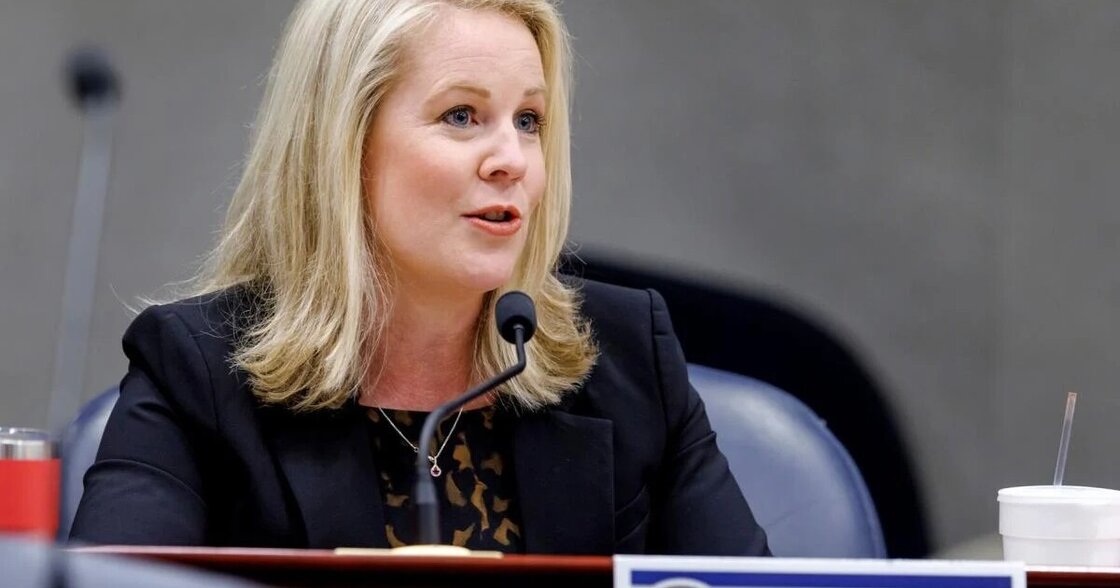
The vote was 86–20 on mostly party lines, with a small number of Democrats crossing over to vote yes. Before the surrogacy amendment was added on the floor, the underlying bill had broader bipartisan support — the amendment specifically shifted some Democrats to "no."
Why This Matters Beyond Florida
Florida isn't unique in worrying about this. The California child abuse case that Persons-Mulicka cited has sparked national conversation about what, exactly, surrogacy agencies are required to verify about intended parents before a match is made. Currently, the answer in most states — including Florida — is: not much. There's no federal standard. Background checks are optional. Some agencies do thorough vetting; others do almost none.
This bill is essentially Florida saying: if the industry won't police itself, the state will. Whether that's the right solution — or a blunt instrument that creates more problems than it solves — is a legitimate debate. What isn't debatable: the surrogacy industry's lack of guardrails is now a legislative flashpoint, and Florida may not be the last state to act.
HB 905 passed the Florida House but still needs Senate approval and the Governor's signature to become law. A companion bill in the Senate (SB 1680), which would have overhauled Florida's surrogacy and fertility clinic policies more broadly, was never heard in committee this session. Watch this space — it's not law yet.
🤰 For Surrogates
If you're a surrogate in Florida — or considering becoming one — this bill doesn't restrict you. The ban targets the other side: intended parents who are citizens or residents of the listed countries. That said, if you're matched with IPs who have ties to China, Russia, or the other five countries, your agency needs to be doing that due diligence now, before this bill becomes law.
More broadly, this is a good moment to ask your agency or potential agency: what background checks do you run on intended parents? That's not a rude question — it's a reasonable one, and any reputable agency should answer it clearly.
👨👩👧 For Intended Parents
If you're a U.S. citizen or permanent legal resident pursuing surrogacy in Florida, this bill — as written and explained by its sponsor — does not apply to you. But if you hold dual citizenship with one of the seven listed countries, or if your journey involves any party residing in one of those countries, you should talk to a surrogacy attorney in Florida before making any plans. The amendment was added without vetting from legal experts, which means the exact edges of its application aren't fully clear yet.
If you're an international intended parent from one of those countries, Florida is essentially off the table if this bill becomes law. Consider working with agencies licensed in states with clearer, more permissive surrogacy frameworks.
Figuring out which agency is right for your situation? Compare 200+ agencies by state, compensation, and vetting standards.
Compare agencies →The Bottom Line
Florida just made surrogacy a national security issue. That's a strange sentence to write — but here we are. The FIRE Act amendment reflects a real concern (lack of screening for intended parents) but addresses it in a blunt, geopolitically-defined way that left legal experts out of the conversation. Whether the Senate refines it, strips it, or passes it as-is will tell us a lot about how far states are willing to go in regulating the surrogacy industry.
One thing is clear: the days of surrogacy operating in a regulatory vacuum are quietly ending. More states are watching Florida. More bills are in the pipeline. If you're in the middle of a journey, or planning one, staying informed matters more than it did a year ago.
Sources
- • Surrogacy, adoption ban added to Florida's foreign interference bill — WUSF (NPR Florida), March 2026
- • Senate rewrites House foreign influence bill, retains surrogacy restrictions — Florida Politics, March 2026
- • HB 905 Amendment Text — Surrogacy Provision — Florida Senate, February 2026
- • Foreign Influence bill passed in Florida House — CBS News Miami, March 2026