The Short Version: You're More Protected Than You Think
If you're a surrogate who also holds down a job — and most surrogates do — you might be wondering: what happens at work? Can I get fired? Do I have to tell my boss? What about time off for appointments?
The good news: three major federal laws now explicitly protect pregnant workers, and surrogacy is covered. Here's what's changed and why 2026 is actually a great year to be a working surrogate.
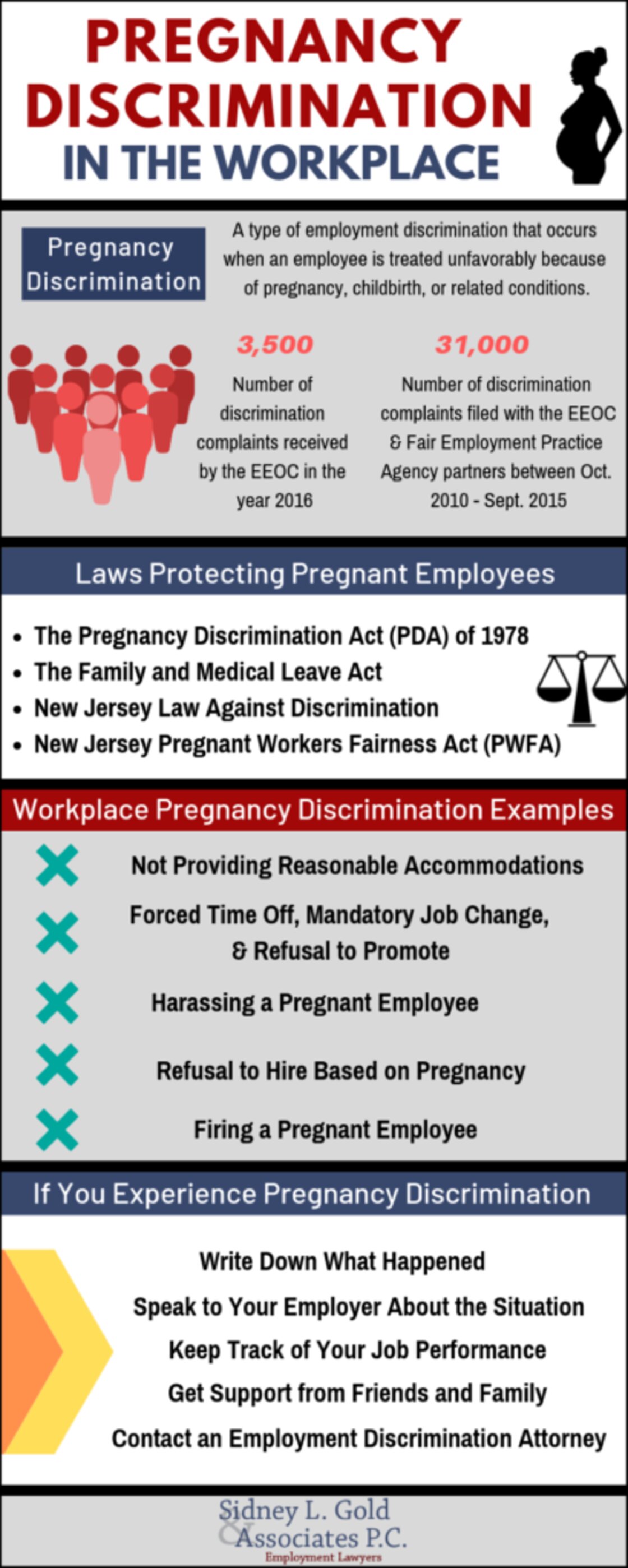
The Three Laws That Have Your Back
1. The Pregnancy Discrimination Act (PDA) has been on the books since 1978. It prohibits employers with 15+ employees from discriminating based on pregnancy, childbirth, or related medical conditions. Surrogacy counts — the law doesn't distinguish between carrying your own child or someone else's.
2. The Family and Medical Leave Act (FMLA) guarantees up to 12 weeks of unpaid, job-protected leave for pregnancy and childbirth. If you've worked for your employer for at least 12 months and they have 50+ employees, this applies to you as a surrogate.
3. The Pregnant Workers Fairness Act (PWFA), which took effect in June 2023, is the game-changer. It requires employers to provide reasonable accommodations for pregnancy-related conditions — things like modified schedules for medical appointments, lighter duties, or extra breaks. Before the PWFA, getting accommodations was a patchwork of state laws. Now it's federal.
What Your Employer Can't Do
- Fire or demote you because of your pregnancy or surrogacy
- Refuse to hire you because you're pregnant or planning to become a surrogate
- Deny you reasonable accommodations for pregnancy-related needs
- Retaliate if you request accommodations or file a complaint
- Force you to take leave when an accommodation would let you keep working
Do You Have to Tell Your Employer You're a Surrogate?
No legal requirement says you need to disclose that you're a surrogate specifically. But practically speaking, you'll probably need to discuss your pregnancy for accommodation requests, FMLA leave, or scheduling around IVF transfers and OB appointments.
Most surrogates find that a simple, confident approach works best: "I'm expecting — I'll need some time for appointments and eventually maternity leave." You don't owe anyone your surrogacy story unless you want to share it.
Lost Wages Coverage: Your Agency Has This Handled
Here's where your surrogacy contract meets your paycheck. Most reputable agencies include lost wages coverage that reimburses you for income lost during:
- Medical screening and IVF transfer appointments
- Mandatory bed rest (if needed)
- Post-delivery recovery (typically 4–6 weeks)
This is paid from escrow at your verified actual wage — you submit paystubs, and the money comes directly to you. For someone earning $25/hour, lost wages typically add $6,500–$15,000+ to total compensation. See our full breakdown of every payment component →
State Laws That Add Extra Protection
Several states go beyond federal minimums. California, New York, New Jersey, and Washington have paid family leave programs that may supplement your surrogate lost wages coverage. Some states also have stronger anti-discrimination protections with lower employee thresholds.
If you're curious how your state stacks up on both compensation and legal protections, check our interactive compensation map →
Pro Tips From Experienced Surrogates
We hear the same advice from surrogates who've navigated the working-while-carrying balance:
- Give your agency a heads-up about your work schedule — they'll try to work around it for appointments
- Document everything if your employer gives you trouble — dates, conversations, emails
- Ask your agency's legal team if you're unsure about anything workplace-related — this is literally what they're there for
- Know your company's leave policy before you start — some companies offer more than the FMLA minimum
🤰 For Surrogates
You have more workplace protections than ever before. The PWFA is still relatively new, and many employers aren't fully up to speed — which means you might need to educate them. Print out the basics, know your rights, and don't be afraid to advocate for yourself. Your agency's legal team can also step in if needed. See which agencies offer the best surrogate support →
👨👩👧 For Intended Parents
If your surrogate works full-time, her lost wages coverage matters. Make sure your contract clearly defines what's covered — transfer days, appointments, bed rest, and recovery. The smoother this is handled, the less stress for everyone. A good agency handles all of this proactively.
Frequently Asked Questions
Sources
- • How Employment Law Is Catching Up with Women's Health Priorities — Foley & Lardner LLP, October 2025
- • Surrogacy and Your Employer: Benefits Guide — Hatch, 2025
- • Do Surrogates Get Maternity Leave? Rights Explained — Surrogacy by Faith, 2025
- • Maternity Leave Laws by State (2026): Your Complete Guide — Paycor, 2026
- Note: This article is based on SurroScore's analysis of publicly available employment law information, EEOC guidance, and community-reported data from surrogates. It does not constitute legal advice.