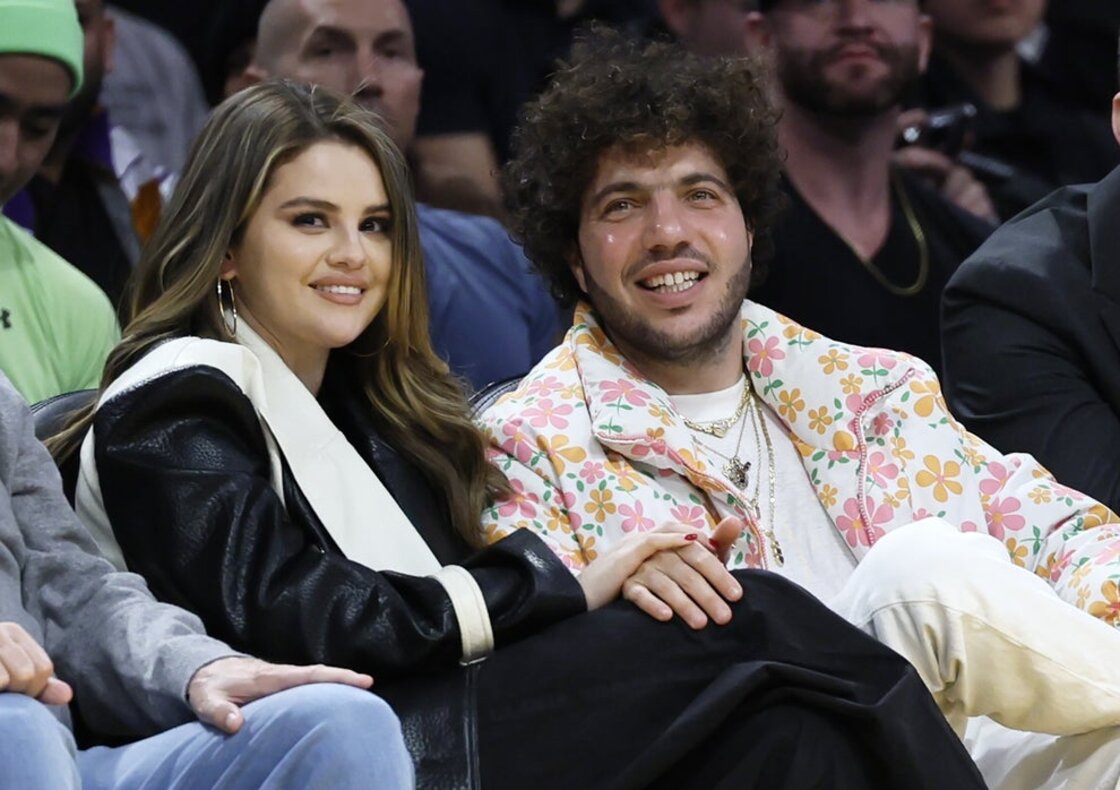
Something is shifting in the way America talks about surrogacy. In the past week alone, media reports surfaced discussing Selena Gomez and Benny Blanco's family-building plans, while actress Priyanka Chopra spoke publicly about why she chose surrogacy after difficult pregnancies. These conversations aren't happening in hushed tones anymore — they're landing on magazine covers, trending on social media, and reaching millions of people who had never thought much about surrogacy before.
For surrogates and aspiring surrogates, that cultural moment is worth paying attention to. Every time a public figure shares their surrogacy story openly, it chips away at the stigma that has — unfairly — surrounded gestational surrogacy for decades. And where stigma drops, understanding grows. And where understanding grows, so does the demand for qualified, compassionate carriers.
Why Celebrity Conversations Matter
A People magazine feature from January catalogued 51 famous families who have welcomed children through surrogacy — from Meghan Trainor and Daryl Sabara to Naomi Campbell and Kim Kardashian. That list isn't just celebrity gossip. It's a map of how normalized surrogacy has become among people who have the resources to make deliberate, well-advised reproductive choices.
When Priyanka Chopra revealed recently that she "had tough pregnancies" and chose surrogacy for a specific reason, she gave a human face to a medical reality that millions of people navigate privately. Lupus, autoimmune conditions, uterine factors, cancer history — the reasons families turn to surrogacy are as varied as the families themselves. Each celebrity who discusses this publicly makes it easier for the next private family to have that conversation with their doctor, their lawyer, and eventually, a surrogate.
Andy Cohen, one of surrogacy's most visible advocates, pushed back sharply when tennis legend Martina Navratilova shared anti-surrogacy views — calling the position "ill-informed." That kind of high-profile disagreement might feel contentious, but it signals that surrogacy is now mainstream enough to generate real public debate.
The Practical Side: More Visibility Means More Demand
Here's the economic reality: when celebrities talk openly about surrogacy, it doesn't just warm public opinion. It drives demand. Families who previously thought surrogacy was only accessible to the ultra-wealthy see these stories and start researching. Google search data consistently shows surges in terms like "how to become a surrogate" following major celebrity surrogacy announcements.
According to surrogate-reported data compiled by SurroScore, the number of first-time surrogates who say they "became aware of surrogacy through media coverage" has grown significantly over the past three years. That's not a coincidence — it's the cumulative effect of a cultural conversation that's been building for years and is now reaching critical mass.
With surrogate compensation ranging from $45,000 to $80,000+ for first journeys in 2026, and experienced surrogates commanding even more, there's genuine financial opportunity for women who are medically and personally well-suited to the process. Celebrity visibility is part of what keeps that pipeline healthy.
The Selena Gomez Angle: Health, Lupus, and Why Surrogacy Matters
Reports this week touched on Selena Gomez and Benny Blanco's family-planning discussions, including surrogacy as a potential path. Gomez has been open for years about her lupus diagnosis and the kidney transplant she underwent in 2017. For someone managing an autoimmune condition with significant implications for pregnancy, surrogacy isn't a preference — it can be a medical necessity.
That framing matters. Surrogacy isn't only for people who "don't want to go through pregnancy." For many intended parents, it's the only safe option. When surrogates understand the full range of reasons families choose this path, it often deepens their sense of purpose in the journey. You're not just providing a service — in many cases, you're making a family possible that couldn't exist any other way.
What This Means for Surrogates
The cultural normalization of surrogacy is working in your favor. More public awareness means more families entering the process informed and realistic — which tends to produce better matches and smoother journeys. If you've been hesitant about how friends or family might perceive your decision to become a surrogate, the cultural tide is shifting in a direction that makes these conversations easier. Explore agencies that support surrogates throughout every step, including the community side of the experience.
What This Means for Intended Parents
If you've been privately considering surrogacy but felt uncertain about whether it was "for people like you," the expanding public conversation should reassure you that this path is well-traveled and well-supported. Compare agencies that specialize in your specific situation — whether that's medical necessity, LGBTQ+ family building, or single parenthood. The infrastructure exists, and it's better than ever in 2026.
The Bigger Picture
Celebrity surrogacy conversations aren't without complexity. There are valid discussions about equity, access, and the cost of surrogacy that remains prohibitive for many families who need it. Understanding the real economics of surrogacy — on both the surrogate and intended parent sides — is part of having an honest conversation.
But the net effect of public figures discussing surrogacy openly is largely positive: more awareness, less stigma, more investment in making the process safer and more transparent. And for the surrogates who are at the heart of every one of these stories? That recognition is long overdue.
Ready to explore your surrogacy journey?
Use SurroScore's free matching tool to find an agency that fits your needs — whether you're a potential surrogate or an intended parent just starting to research.
Get Matched Free →Sources
- • Selena Gomez 'Had to Grieve' Being Unable to Carry Her Own Children — People, September 2024
- • Selena Gomez reveals she's unable to carry her own children due to health issues — The Guardian / Vanity Fair interview, September 2024
- • Selena Gomez can't carry children due to medical issues — New York Post, September 2024
- • Selena Gomez shares emotional update after revealing she won't be able to carry her own children — Tyla, August 2025